
This is a lengthy read, not meant for skimming, but designed to serve as a complete resource for navigating Your April 30 Tax Deadline Survival Plan for Canadian Entrepreneurs. Apologies in advance for being long-winded.
For many entrepreneurs across London, Ontario, and the wider Canada market, the April 30 tax deadline can feel overwhelming. Between running operations, serving clients, managing cash flow, and handling day-to-day business decisions, taxes often get pushed to the last minute.
The solution is simple: have a clear survival plan.
What Is the April 30 Tax Deadline?
The April 30 tax deadline is one of the most important dates in the Canadian tax calendar.
For most individuals and many entrepreneurs, April 30, 2026 is the deadline to file your 2025 personal income tax return and pay any balance owing.
This commonly applies to:
sole proprietors
freelancers
consultants
contractors
self-employed professionals
business owners receiving salary or dividends
A key point many business owners in Ontario miss is this:
If you are self-employed, you may have until June 15, 2026 to file your return, but any taxes owing must still be paid by April 30, 2026.
This means interest begins immediately after April 30 on unpaid balances, even if your filing deadline is later.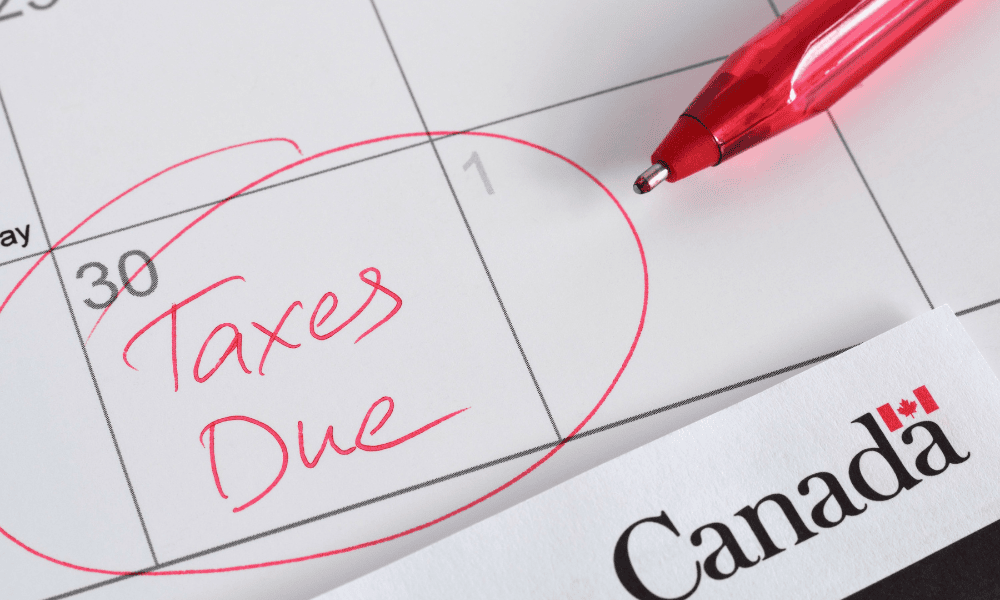
Why Meeting the Deadline Matters
The biggest problem with missing the deadline is that it costs more than most people expect.
The CRA charges a late-filing penalty of 5% of the balance owing plus 1% for each full month late, up to 12 months.
For example, if your business owes $8,000 in taxes and you file three months late, the penalty and interest can quickly add hundreds of dollars.
More importantly, late filing can also affect:
GST/HST refunds
benefit payments
mortgage applications
financing requests
future CRA reviews

What You Need Before Filing
Before you start preparing your return, make sure your financial records are organized.
You should have all of your income documents ready, including T4 slips, T5 slips, dividend records, investment statements, and any income summaries from freelance or contract work.
For business owners, your bookkeeping should be fully updated. This includes your profit and loss statement, bank reconciliations, credit card transactions, payroll records, and GST/HST filings.
You should also gather all receipts and support for deductible expenses such as:
rent or office expenses
software subscriptions
internet and phone
marketing and advertising
vehicle and travel costs
professional fees
insurance
home office expenses

A Practical Step-by-Step Survival Plan
The best way to survive the April 30 deadline is to work backward from the date.
Start by completing your bookkeeping at least two weeks before filing. Your numbers need to be accurate before any tax planning decisions can be made.
Once bookkeeping is complete, estimate your tax liability early. This gives you time to prepare for any payment owing and avoids a cash flow surprise.
Next, review possible deductions and credits. Many entrepreneurs miss legitimate deductions simply because they wait until the final week.
This includes reviewing expenses such as business use of home, vehicle costs, capital asset purchases, software tools, and professional services.
After that, prepare the return and review it carefully for accuracy. Make sure the income reported matches your bookkeeping records and GST/HST filings where applicable.
Finally, submit the return electronically and make the payment before April 30.
This process reduces pressure and gives you room to correct mistakes.
Common Filing Mistakes to Avoid
One of the most common mistakes entrepreneurs make is mixing personal and business expenses.
Using one account for everything creates confusion and increases the risk of incorrect deductions.
Another major mistake is assuming that filing later means payment can also wait.
For self-employed individuals, the return may be filed by June 15, but payment is still due April 30.
Many business owners also forget to reconcile GST/HST with reported sales, which can trigger CRA reviews.
Rushing in the last few days often leads to missed slips, duplicated expenses, or incorrect shareholder loan balances.

Staying Organized and Reducing Tax Stress
The best strategy to reduce tax stress is to stay organized throughout the year.
Use cloud bookkeeping software and review your books weekly rather than waiting until year-end.
A simple 20–30 minute finance review each week can prevent hours of work later.
It also helps to maintain a dedicated tax savings account.
A practical approach is to transfer 20-30% of monthly profits into a separate account so that taxes do not become a surprise.
For many small businesses in the Forest City, this one habit dramatically reduces April stress.
When to Hire a CPA or Accountant
There comes a point where hiring a CPA or accountant for taxes becomes the smarter financial decision.
If your business has payroll, multiple income streams, GST/HST complexity, corporate structures, or tax planning needs, professional guidance can save far more than the fee.
A local CPA in London, Ontario can help with:
- tax compliance
- deduction reviews
- CRA communication
- year-end adjustments
- tax-saving opportunities
The goal is not only filing on time but filing correctly and efficiently.

Conclusion
The April 30 deadline does not need to feel like a crisis.
The real solution is preparation.
When your bookkeeping is clean, deductions are reviewed early, and payment planning is done in advance, filing becomes a routine process rather than a stressful event.
For entrepreneurs across London, Ontario, Canada, the smartest survival plan is simple:
prepare early, file accurately, and do not wait until the last week.