
When you’re building a small business in Canada, it’s tempting to handle your bookkeeping and accounting yourself. After all — how hard can it be to track receipts, reconcile a bank account, and file a return?
But here’s the truth many business owners only discover later: DIY accounting has hidden costs that grow quietly in the background — and those costs almost always exceed what you thought you were saving.
From missed deductions to CRA penalties, the financial risk of “doing it yourself” adds up. In this article, we break down the real cost of DIY accounting and why working with a CPA is one of the smartest long-term investments you can make for your business.
Why DIY Accounting Looks Cheap (But Isn’t)
Most Canadian business owners choose DIY accounting because:
It feels simple (“I only have a few transactions”)
It feels cheaper (“I’ll save money doing it myself”)
It feels faster (“I’ll catch up later”)
But bookkeeping is not just data entry — it’s a foundation of tax compliance, financial accuracy, and audit protection.
According to CRA’s recordkeeping requirements, taxpayers must maintain complete, accurate, and verifiable records that clearly support the amounts reported on their returns. Errors, missing information, or incomplete records can trigger reassessments and penalties — even years later.
DIY often fails this standard.The Most Common (and Costly) DIY Accounting Mistakes
These errors are not theoretical — they are the issues accountants fix every tax season.
1. Missing Out on Eligible Tax Deductions
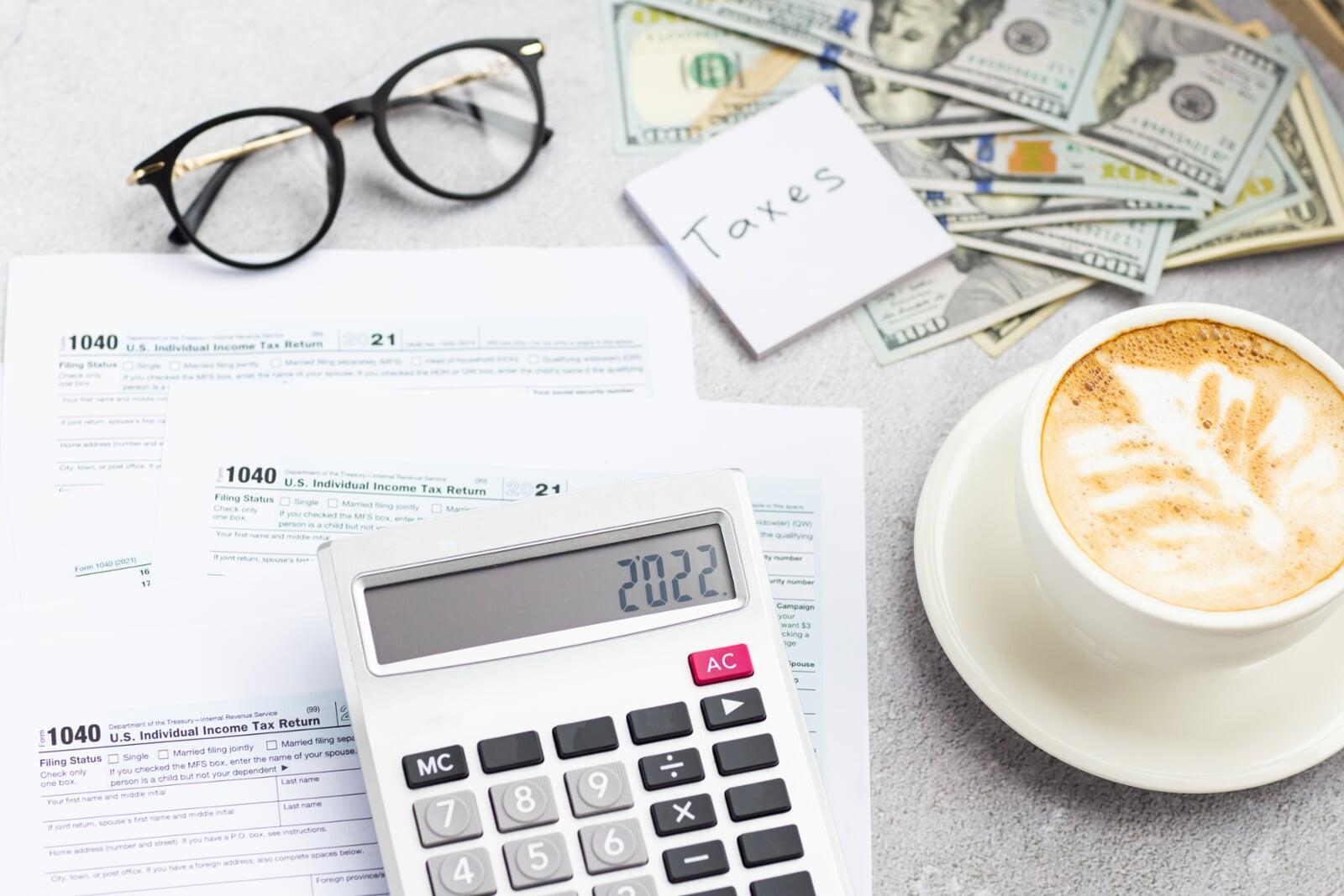
CRA allows deductions for legitimate business expenses, but you must properly track, categorize, and support them.
DIY filers frequently miss:
Capital Cost Allowance (CCA)
Business use-of-home expenses
Motor vehicle mileage
Professional fees
Asset depreciation
Meals & entertainment (50% rule)
2. Incorrect GST/HST Reporting
CRA’s GST/HST system is unforgiving — and mistakes are extremely common in DIY books.
Typical errors include:
Not charging HST when required
Claiming input tax credits (ITCs) incorrectly
Filing under the wrong reporting period
Filing late
Missing instalments
3. Poor Separation of Personal and Business Expenses
Using the same credit card or bank account for personal and business purchases creates an accounting nightmare.
CRA can deny deductions if they can’t clearly identify the business purpose of each transaction. This mistake alone is a major audit trigger.4. Spreadsheet Errors and Manual Data Entry Mistakes

According to CPA Canada, manual data entry increases the risk of accounting inconsistencies and inaccurate reporting, especially when businesses grow.
Small mistakes in formulas can throw off entire financial statements — and CRA will question discrepancies.
5. Missing or Poor Documentation for Expenses
CRA requires supporting documents for every expense — receipts alone are not enough.
A proper record must show:
Date
Amount
Vendor
Description
Business purpose
6. Incorrect Year-End Adjustments (One of the biggest hidden costs)
Most DIY books lack correct:
Accruals
Prepaid expenses
Payroll liabilities
Shareholder loan accounting
Amortization/CCA entries
Loan interest allocation
The Financial Consequences of DIY Accounting

Let’s break down the real hidden costs:
1. Missed deductions → higher taxes
Without professional categorization and planning, businesses routinely overpay taxes.
2. CRA penalties & interest
CRA charges daily compound interest on unpaid balances, and penalties stack quickly for GST/HST errors.
3. Audit risk increases
CRA algorithms flag inconsistent data, missing records, or incorrect HST filings — common results of DIY bookkeeping.
4. Higher accountant fees later
Fixing a broken bookkeeping system costs significantly more than monthly maintenance by a professional.
5. Lost financing opportunities
Banks and lenders reject financial statements that look disorganized or inconsistent.
6. Stress and time loss
DIY takes time away from sales, marketing, operations, and business growth.
When DIY Can Work (and When It Definitely Won’t)
DIY might be acceptable if you are:
A brand-new sole proprietor
With very low transaction volume
No GST/HST
No payroll
No contractors
No assets
No financing needs
Enrolled in our DIY pro
Anything beyond this?
You are exposing yourself to financial and CRA risk.
You should use a CPA if you are:
Incorporated
Collecting GST/HST
Paying yourself salary/dividends
Using a business vehicle
Paying subcontractors
Earning rental + business income
Filing T2 corporate returns
Managing shareholder loans
Seeking financing or grants
How can a CPA Help?

A CPA does far more than “the books.”
They ensure:
Accurate categorization
Clean GST/HST handling
Maximal deductions
Organized documentation
Correct year-end adjustments
CRA-compliant financials
Proper payroll and remittances
Tax planning (salary, dividends, bonuses, deferrals)
Shareholder loan compliance
Audit-proof bookkeeping
How Bhundhoo Tax Protects Your Business and Your Wallet
At Bhundhoo Tax Professional Corporation, our CPA-led team helps small businesses across Canada stay compliant and profitable by offering:
Cloud bookkeeping setup
Monthly bookkeeping (starting at $350/month)
HST/GST filing and review
Corporate tax preparation
Payroll and worker remittance support
Year-end adjustments & financial statements
CRA audit support
Tax planning, cash-flow advisory, and fractional CFO support
Final Word: DIY Accounting Is the Most Expensive “Savings” You Can Make
DIY feels thrifty — until the CRA calls, deductions are missed, or financing requires accurate books.
The safest, most profitable move?
Let a CPA handle your accounting so you can focus on growing your business.