
The breakthrough you're waiting for is closer than you think, but only if you're still in the game.
Most people quit right before everything changes. That's not a motivational cliché, it's a pattern you'll see over and over again when you study entrepreneurs, athletes, creators, and business builders. The ones who "made it" almost always have a story that includes a chapter most people never talk about: the long, quiet, frustrating stretch where absolutely nothing seemed to be working.
The Truth About Momentum Nobody Talks About
Here's what success stories rarely show you: the gap between starting and gaining traction is brutal. It's the phase where you're doing the work, putting in the hours, and seeing almost no results. Your posts aren't going viral. Your business isn't growing. Your inbox is quiet. And everyone around you seems to be doing better.
This phase has a name in psychology; it's often called the "valley of despair", part of the Dunning-Kruger effect cycle. After the initial excitement of starting something new fades, reality sets in. Progress feels invisible. Doubt creeps in. And most people make a completely understandable, but costly, decision: they quit.
The problem? Momentum doesn't build gradually and visibly. It builds silently, beneath the surface, until suddenly it doesn't.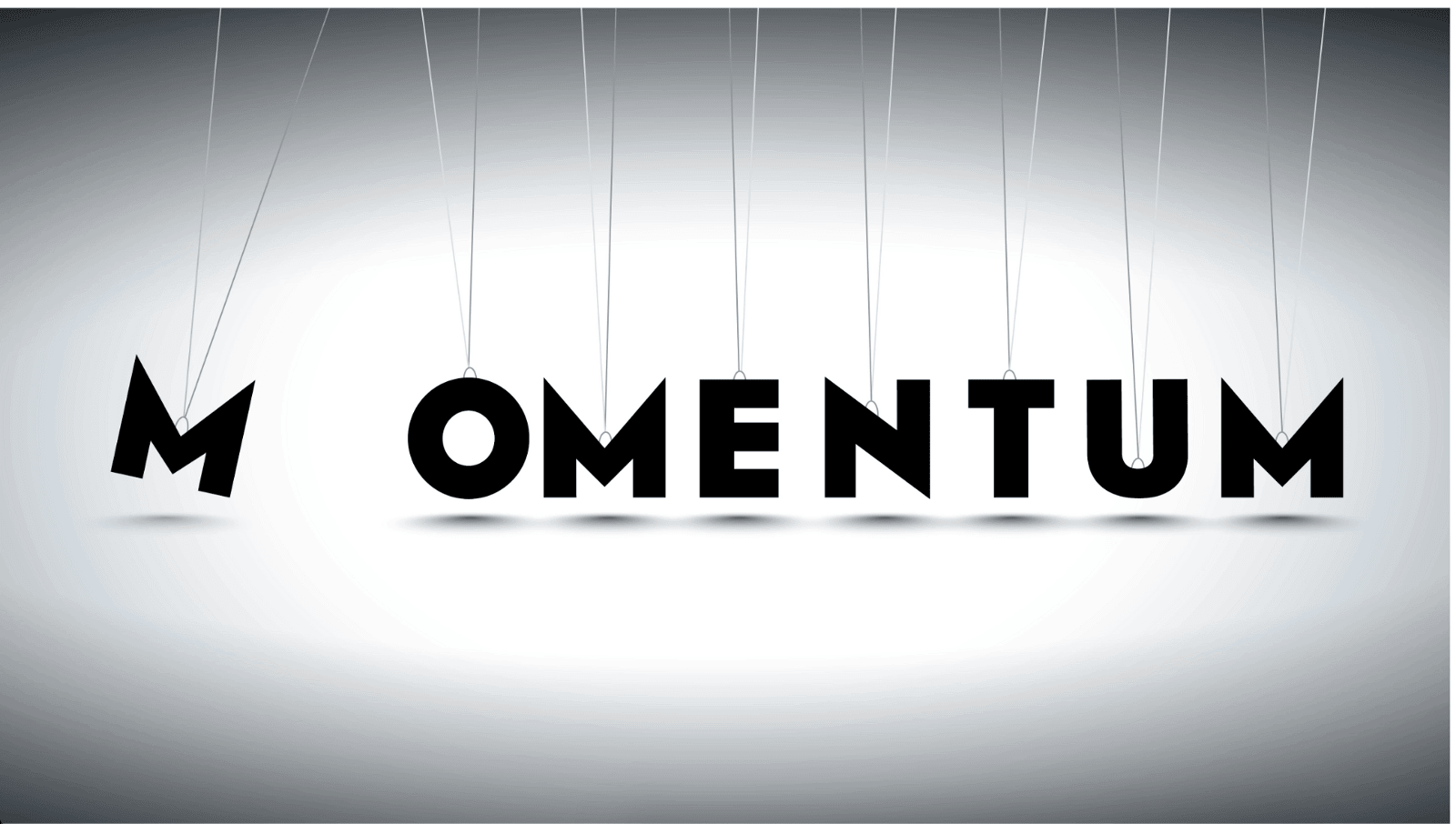
Why Momentum Is Delayed, Not Absent
Think of it like pushing a massive boulder. For a long time, you're pushing with everything you have and it barely moves. Your muscles ache. You question whether it's even possible. You wonder if you're pushing the wrong boulder entirely.
Then, one day, it shifts. And then it rolls. And once it's rolling, you barely have to push at all.
This is how most worthwhile things work, businesses, creative projects, careers, relationships, fitness goals. The early effort doesn't disappear. It compounds quietly until the tipping point arrives. The energy you put in during the silent phase is what powers the breakthrough.
The people who experience momentum are simply the ones who kept pushing after most others walked away.
Common Signs You're Closer Than You Think
Before people quit, there are often subtle signs that things are actually starting to work, they just don't recognize them. Here's what to watch for:
You're getting better feedback, even if the numbers aren't there yet
Your process is becoming more efficient, things that used to take hours take minutes
People are starting to ask you questions in your area of expertise
Small wins are appearing more frequently, even if they feel minor
You feel clearer about what's working and what needs to change

The Quit Point: Where Most People Exit
There's a specific moment that filters out most people who could have made it. It usually happens somewhere in the middle, not at the beginning when energy is high, and not at the end when results are visible. It happens in what author Seth Godin calls "The Dip", that uncomfortable period where the initial excitement is gone and the payoff hasn't arrived yet.
Why the Middle Is the Hardest
The beginning is energizing. The end is rewarding. But the middle is just hard. It requires:
Faith in the process when you can't see the outcome
Discipline when motivation has completely faded
Patience in a world that rewards speed
Resilience when comparison makes you feel behind

How to Stay in the Game When Results Feel Invisible
The goal during the silent phase isn't to feel inspired. It's to stay consistent. Here are practical strategies that actually work:
1. Redefine What "Progress" Looks Like
Stop measuring only outputs (revenue, followers, sales). Start measuring inputs and process markers, hours worked, skills developed, conversations had, content created. Progress is always happening, even when results aren't visible yet.
2. Shorten Your Feedback Loop
If you're waiting months to know if something worked, that's too long. Break your goals into smaller experiments with faster feedback cycles. Test, adjust, repeat. This keeps you engaged and learning rather than waiting and wondering.
3. Find Your "Long Game" Community
The people around you matter enormously during the silent phase. Surround yourself with others who are also playing the long game, fellow entrepreneurs, creators, or builders who understand delayed gratification. Their persistence makes yours easier to maintain.
4. Document the Journey, Not Just the Destination
Keep a record of where you started, what you've tried, and what you've learned. When you're deep in the dip, looking back at early-stage entries reminds you how far you've already come, even when forward progress feels stalled.
5. Protect Your Energy Fiercely
The silent phase is where burnout strikes hardest. Don't confuse working harder with working smarter. Sustainable consistency, showing up at 70% for years, beats showing up at 110% for six months and crashing.
Real-World Examples of Momentum That Almost Didn't Happen
James Dyson built 5,126 failed prototypes before his vacuum cleaner worked. He spent 15 years in near-poverty before his product became a global brand.
J.K. Rowling was rejected by 12 publishers before Harry Potter was accepted. She was a single mother on welfare when she was writing it.
Howard Schultz was turned down by over 200 investors before Starbucks became what it is today.

A Final Thought: The Cost of Quitting Too Soon
The most painful version of giving up isn't failing spectacularly. It's stopping at 80% of the way there, never knowing how close you actually were. The work you put in doesn't disappear when you quit. It just gets left on the table.
Momentum isn't something that happens to lucky people. It's something that waits for the persistent ones.
Whatever you're building, a business, a brand, a career, a new skill, give it the respect of seeing it through to the other side of the dip. Because that's where almost everyone else has already left, and it's where the real results live.Start Where You Are, Stay Longer Than You Plan To
If you're an entrepreneur, freelancer, or business builder who's in that quiet, frustrating phase right now, you don't need more motivation. You need a better system, a clearer strategy, and a community that supports long-term thinking.
Whether it's building better business habits, getting your finances in order, or creating more sustainable processes, the structural foundations you build during the slow phase are what make the fast phase sustainable.
Don't quit before the compound interest of your effort kicks in. The boulder is about to move.