Nobody tells you this when you start a business: the thing that got you here is the exact thing that will keep you small.
You hustled. You did it all yourself. You answered every email at 11 PM and called it "dedication." And it worked, for a while.
Then growth stopped. Not because the market dried up. Not because your product got worse. Because you became the ceiling.
This is the part most blogs won't say out loud: your business isn't struggling because you're not working hard enough. It's struggling because you're still working like an employee, just one who never clocks out.
The Founder Autopsy
Here's what it looks like when a business owner never makes the leap to CEO thinking:
- Every decision, big or small, has to go through you
- You haven't taken a real day off in months (maybe years)
- You check your bank balance instead of your financial statements
- "Growth" means more hours, not more leverage
- You'd rather redo an employee's work than explain it once, properly
None of this makes you a bad entrepreneur. It makes you an operator wearing a CEO's job title. And the gap between those two roles is where businesses go to die slowly.

Stop Romanticizing the Grind
Somewhere along the way, exhaustion got rebranded as commitment. Answering emails on vacation became a personality trait. We turned burnout into a badge.
Here's an unpopular truth: being busy is often a hiding place. It's easier to drown in tasks than to sit still and ask the terrifying question: "Is any of this actually working?"
CEOs ask that question anyway. Operators avoid it, because the answer might mean admitting something needs to change.

The Mindset Shift, Without the Fluff
Forget the LinkedIn-guru version of "CEO energy." Here's what actually separates a business owner from a CEO:
They Stop Being the Bottleneck
If your business collapses the moment you take a week off, you haven't built a business. You've built a very demanding job.
They Read Numbers Like a Story
Revenue tells you what happened. Margins, cash flow, and cost trends tell you what's about to happen. Most owners only look at the first one, and it's the least useful for decision-making.
They Fire Themselves From Tasks, Not the Vision
Delegating isn't giving up control. It's refusing to let your calendar be the reason your business can't scale.
They Decide Fast and Fix Later
Perfection is a form of procrastination wearing a suit. CEOs make the call with 70% of the information, because waiting for 100% usually means the opportunity is gone.

A Scene You'll Recognize
A business owner is doing six figures in revenue. From the outside, it looks like success. On the inside? They're the marketer, the bookkeeper, the customer service line, and the janitor, all before 9 AM.
They haven't looked at a profit-and-loss statement in three months. They think they're profitable. They're guessing.
This isn't a hypothetical. This is most small businesses, quietly falling apart behind a polished Instagram feed.
The fix isn't a new logo or a bigger ad budget. It's structure: systems, numbers, and decisions that don't require the owner to personally hold everything together.

Mistakes That Keep Owners Stuck
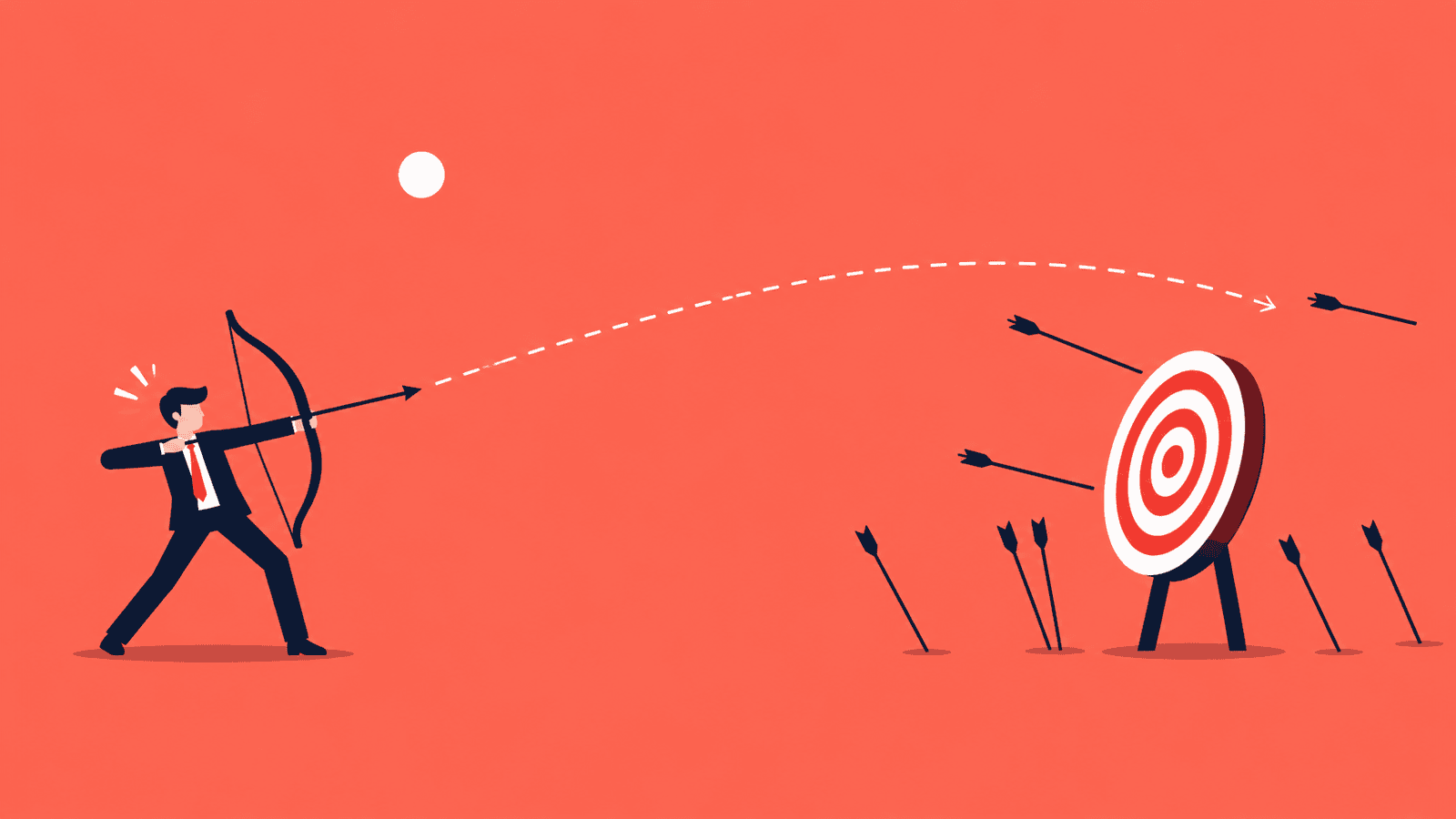
What CEO-Level Businesses Actually Do Differently
The Uncomfortable Truth
You don't need a bigger team, a fancier office, or a rebrand to think like a CEO. You need to stop confusing exhaustion with progress, and start treating your business like an asset, not a hostage situation you happen to run.
Growth isn't something that happens to your business. It's something you build into it, on purpose, one decision at a time.
Ready to Stop Guessing?
If your business has outgrown your spreadsheets, your gut instinct, or your late-night guesswork, that's not a failure. It's a sign you're ready for the next stage. Business owners across London, Ontario and beyond are making this shift by getting real financial clarity behind the scenes, so the big decisions stop feeling like gambles.
You don't have to figure it out alone. Sometimes the fastest way to think like a CEO is to talk to someone who already helps them.