
Most business owners don't realize their cash flow problem exists until it's already serious. By then, they're scrambling, delaying bills, dipping into personal savings, or taking on debt just to keep the lights on. And the frustrating part? They can't point to one single moment where things went wrong.
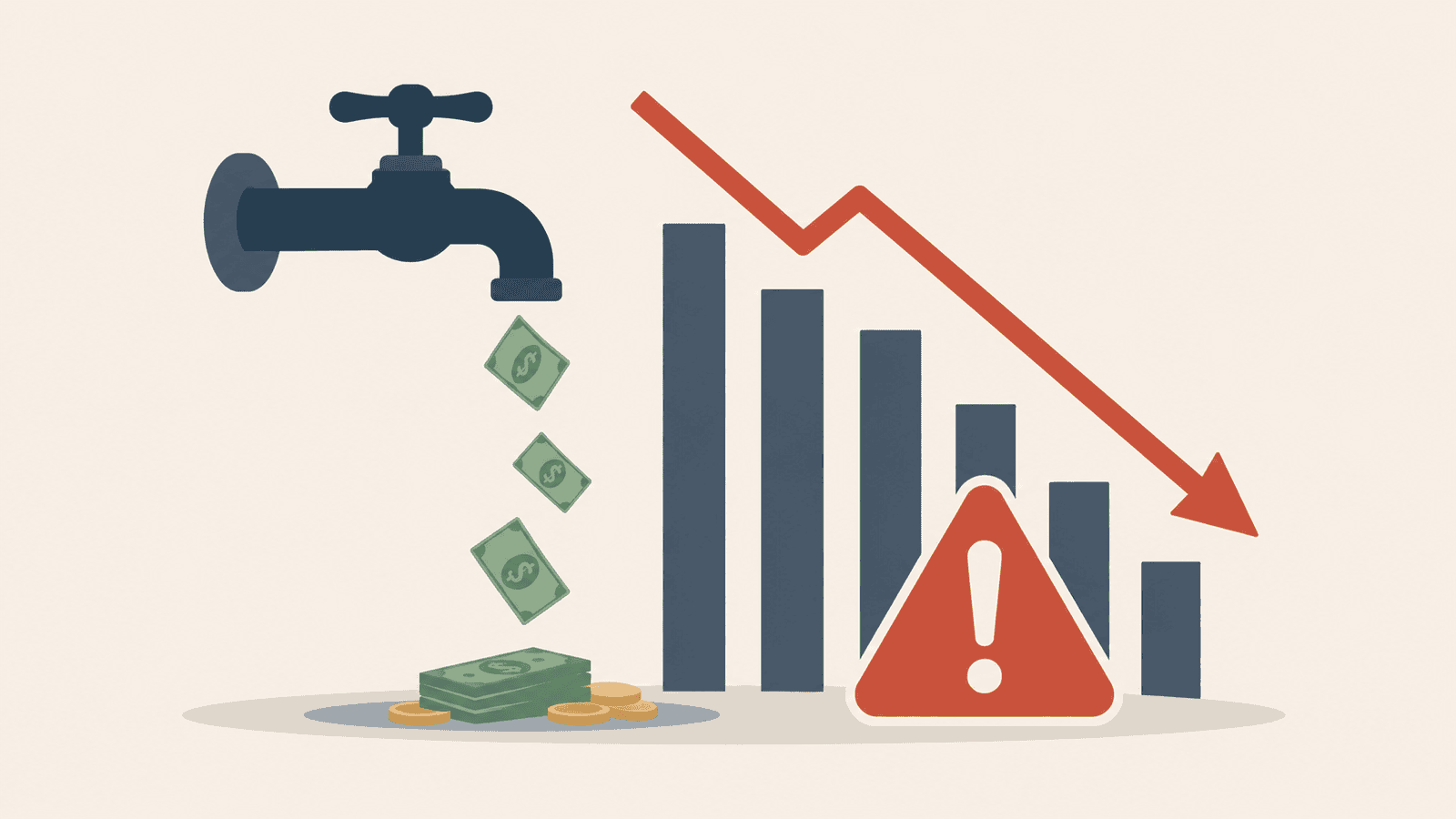
That's because cash flow problems rarely start with one big mistake. They build quietly, through a dozen small decisions made over months, sometimes even years. Understanding how that happens is the first step toward making sure it doesn't happen to you.
What Cash Flow Actually Means (And Why It Gets Confused)
Before diving into the causes, let's get clear on the basics.
Cash flow is the movement of money in and out of your business. It's not the same as profit. A business can be profitable on paper and still run out of cash. This surprises a lot of entrepreneurs, but it's extremely common.
- Positive cash flow means more money is coming in than going out
- Negative cash flow means you're spending more than you're bringing in, even temporarily
The problem is that most business owners track revenue and profit, but they don't watch the timing of their cash carefully enough. That gap is where trouble grows.

The Small Habits That Create Big Problems
1. Slow Invoicing
This one seems minor, but has a massive impact. If you complete work and then wait a week or two, to send the invoice, you're already behind. Then add 30-day or 60-day payment terms, and suddenly you've done the work but won't see money for two months.
Fix it: Invoice immediately upon delivery. Use accounting software that automates this process and sends reminders automatically.
2. Ignoring Payment Terms on Both Sides
Many small business owners accept whatever payment terms their clients push. At the same time, they agree to pay their own suppliers quickly. This mismatch creates a dangerous gap, money is going out faster than it's coming in.
The goal is simple: collect faster than you pay.
3. Mixing Personal and Business Finances
This is one of the most common and costly, habits among early-stage entrepreneurs. When you're using one bank account for both personal and business expenses, it's almost impossible to get an accurate picture of your actual cash position.
Beyond the confusion, it also creates serious issues during tax filing and financial reporting. A dedicated business account isn't optional, it's essential.
4. Not Planning for Irregular Expenses
Every business has irregular costs: annual software renewals, equipment maintenance, tax installments, insurance premiums, and seasonal downturns. These aren't surprises, they're predictable. But without a cash reserve or a forward-looking budget, they hit hard every single time.
Best practice: Build a simple 12-month cash flow forecast. Even a basic spreadsheet showing expected income and expenses each month can prevent most cash crunches.

Deeper Patterns That Quietly Drain Cash
Over-Investing in Growth Too Early
Growth feels exciting. New equipment, a bigger team, a new location, it all signals progress. But scaling before your cash flow can support it is one of the most common ways businesses get into serious trouble.
The revenue from that growth often takes months to materialize. The costs start immediately.
Underpricing Products or Services
Many entrepreneurs undercharge, especially when starting out, in hopes of attracting more customers. But if your pricing doesn't account for all your real costs (including your time, overhead, taxes, and future investment), you may be working hard while slowly losing money.
Review your pricing at least once a year. Make sure every service or product you offer actually generates a healthy margin.
Relying on One or Two Big Clients
When a large portion of your income comes from one client, you're one lost contract away from a cash flow emergency. Diversifying your client base is not just good business strategy, it's a cash flow protection strategy.

Warning Signs You Should Never Ignore
If you notice any of these patterns in your business, it's time to take a hard look at your cash position:
- Consistently late on supplier payments even by a few days
- Using credit cards or lines of credit for regular operating expenses
- Dreading month-end because you're not sure what's there
- Revenue growing but stress about money staying the same
- No clear picture of what's in your business account at any given moment
These are not random stressors. They are signals.
Practical Steps to Strengthen Your Cash Flow
You don't need to overhaul your entire business. Start with these foundational steps:
- Track your cash weekly, not just at month-end
- Build a 3-month cash reserve even a small buffer makes a huge difference
- Negotiate better payment terms with both clients and suppliers
- Review your pricing and make sure it reflects your actual costs
- Separate business and personal finances completely
- Use simple cash flow forecasting to spot problems before they arrive
None of these steps are complicated. What they require is consistency and attention.

The Role of Professional Guidance
There's a reason growing businesses work with accountants and financial advisors, not because they're in trouble, but because proactive financial guidance prevents trouble from starting in the first place.
A good accountant won't just file your taxes. They'll help you understand your numbers, build better systems, and make smarter decisions with your money throughout the year. For small business owners especially, that kind of clarity is worth far more than it costs.
Final Thoughts
Cash flow problems feel sudden, but they're almost never actually sudden. They're the result of small patterns, slow invoicing, poor planning, mismatched payment terms, blurred finances, compounding over time until the pressure becomes impossible to ignore.
The good news? Every one of those patterns is fixable. The earlier you catch them, the easier the correction.
Don't wait for a crisis to take your cash flow seriously. Start looking at your numbers clearly, build better habits, and don't hesitate to get professional support when you need it.
Your business's financial health is built one decision at a time, make sure those decisions are working in your favour.
Ready to Get Control of Your Cash Flow?
If you're not confident in your current cash flow systems, or you're not even sure where to start, speaking with a qualified accountant or business advisor is one of the smartest moves you can make. A professional can help you build a clear picture of your finances, identify gaps, and put better systems in place before small issues become serious problems.
Take the first step toward financial clarity. Your future self will thank you.